

You buy a spinning combo, you take it to the lake, and the first cast turns into a tangle that eats ten minutes of daylight. If that sounds familiar, the reel is probably not the problem. It is almost always a rigging problem, and rigging is something you can fix on the bank in the time it takes to drink a cup of coffee.
I've stood on gravel bars and rock points around Brainerd, Minnesota, for most of my 58 years, and I've watched plenty of folks, including me early on, fight a spinning reel that was never fighting back. A budget combo like the KastKing Centron will cast as clean as anything on the wall once it is rigged right. Rigged wrong, it will wind knot every third cast and send you back to the tackle shop for a reel you do not need. I'm Wade Harlan, a retired lineman, and the Centron is the combo I keep in the truck for shore fishing when the boat stays home. This guide is the five-step routine I use every time: set the drag, spool the line, tie a knot you can trust, rig for the bottom, and cast without the bird's nest.
Start with a combo that is easy to rig right
The KastKing Centron is a two-piece spinning combo that casts clean once you set it up. Check today's price on Amazon and have it ready for the weekend.
Amazon Check Today's Price on Amazon →Step 1: Set the Drag Before You Tie Anything On
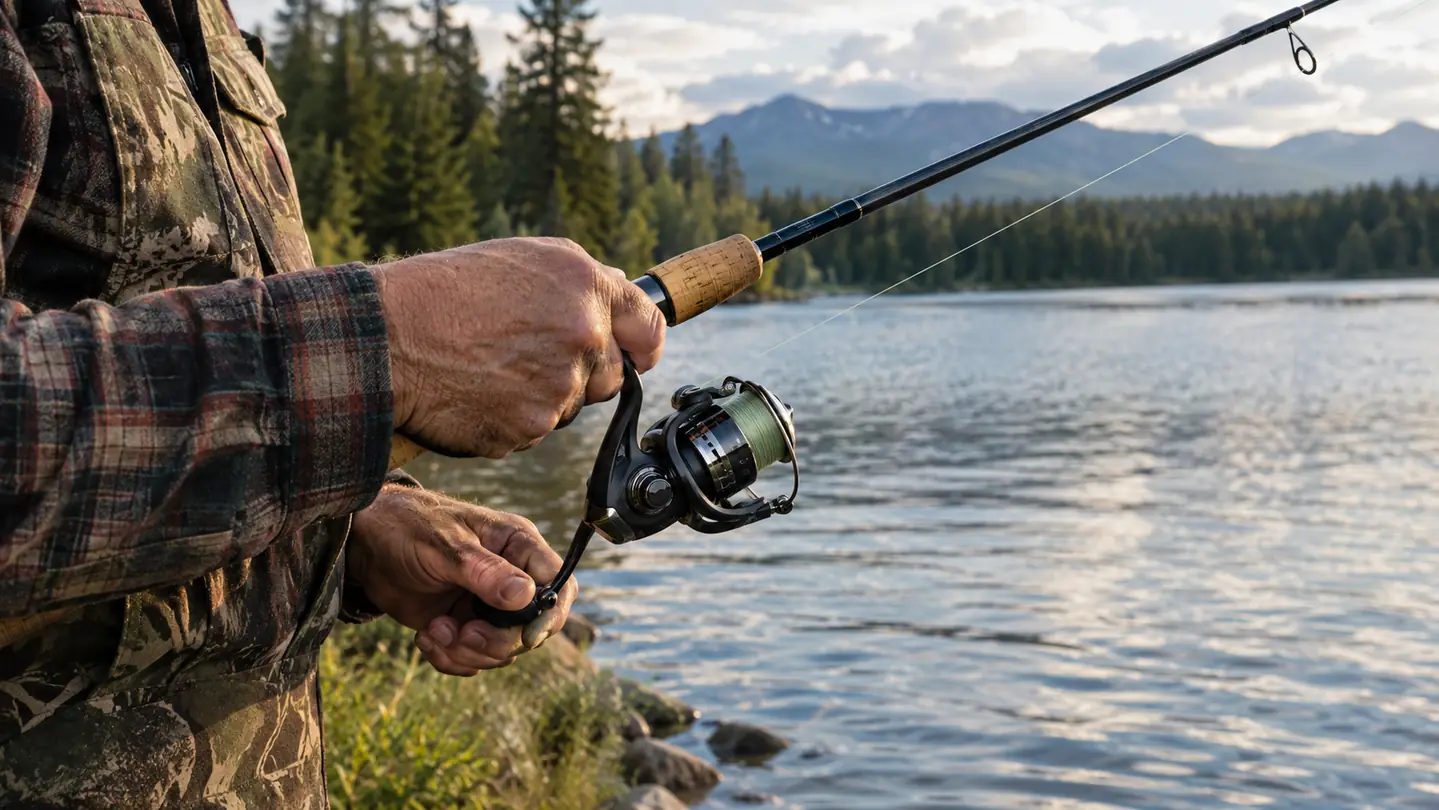
Most people never touch the drag until a big fish runs, and that is exactly when a stiff drag costs you the fish. Turn the front drag knob until line pulls off the spool with a steady, firm pull that still does not feel like a tug of war. For walleye on light line, that is roughly the pull of a two-pound fish. The drag should give before the line does, every time.
The Centron's drag is a little stiff when it is new, and it smooths out with a few trips. Until it does, set it a touch light and you will not lose fish to a drag that will not give. Check it again after a few outings, because a drag that loosens on its own is just as bad as one that is too tight. And test it with the rod loaded, not with the rod on the ground. A drag that feels fine in the yard can feel completely different with two feet of rod bend and a fish pulling.
One more habit that saves grief: reset the drag when you change lures or baits. A heavy rig for casting needs a slightly firmer drag than a light jig, because the weight of the rig can pull line off the spool while the bait is in the air. Set the drag for the bait you are throwing, not the bait you were throwing an hour ago.
Step 2: Spool the Line Without the Twists
Nine out of ten wind knots start at the spool. If the line is twisted when it goes on, it comes off in loops, and every loop is a tangle waiting for a cast. Lay the bulk spool of line flat on the floor or the truck seat so the line peels off in a straight line to the reel. Run the line through the first guide, open the bail, tie an arbor knot around the spool, close the bail, and crank. If the line starts twisting as it goes on, flip the bulk spool over. One of those two directions is right, and it takes ten seconds to tell which.
Fill the spool until the line sits about an eighth of an inch below the lip. Too full, and line spills off in coils that become wind knots on the first cast. Too low, and you lose casting distance. On the Centron I run ten-pound mono for most shore fishing, and light braid when I want extra distance. If you spool braid, put a strip of electrical tape over the arbor knot first, or the braid can slip on the spool when a fish runs.
Fresh line is cheap insurance. If the line on the reel is more than a couple of seasons old, or if it has a memory of every twist it ever took, strip it off and start over. I respool the Centron at the start of every season and once more mid-summer if I fish hard. Old line is the quiet cause of more lost fish than any reel problem I have ever seen.
Step 3: Tie a Knot You Can Trust
The improved clinch knot has held every fish I have landed for thirty years, and it is easy enough to tie in the dark. Thread the line through the eye of the hook or lure, wrap the tag end around the standing line five times, then pass the tag end back through the loop right above the eye, and through the big loop you just made. Wet the knot with a drop of water before you cinch it. That wetting step is the difference between a knot that holds and one that fails at the worst moment.
Pull the knot snug, trim the tag end to a quarter inch, and test it with a sharp tug. I check the first few feet of line for nicks after every trip, because a scratched line is a broken line waiting to happen. The Centron's stainless guides are smooth enough that a good knot sails through on the cast without catching. If you are new to tying knots, tie a dozen at the kitchen table before you need one on the water. The muscle memory is worth more than any knot card in your tackle box.
The Palomar knot is the other one I trust, especially with braid. Double the line, pass the loop through the eye, tie an overhand knot with the doubled line, then pass the hook or lure through the loop and pull tight. It is nearly impossible to tie wrong, and it holds with slick braid that the clinch knot can shrug off. Learn both and you can handle almost any shore fishing situation with one rod.
Step 4: Rig for the Bottom Like a Local
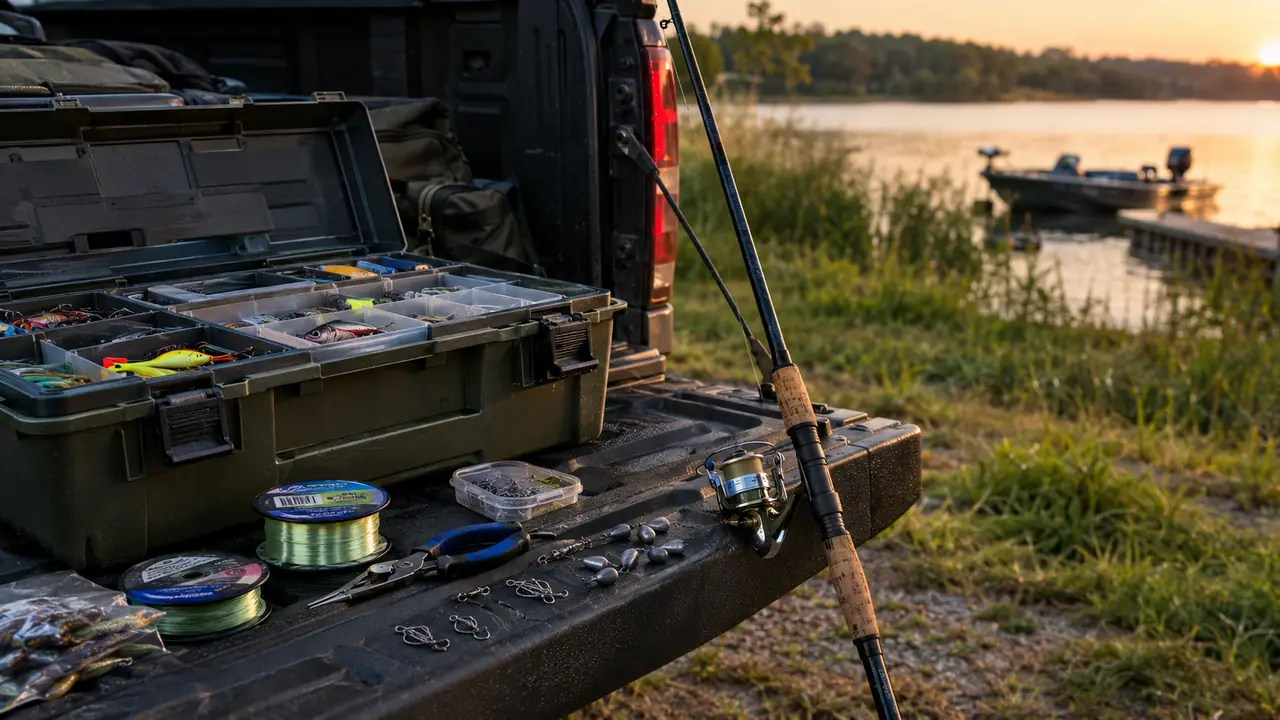
For walleye and bass from shore, the slip sinker rig is hard to beat. Slide a half-ounce egg sinker onto the main line, add a small plastic bead, then tie on a barrel swivel. Below the swivel, tie an eighteen-inch leader of lighter line and a size 2 or 4 hook. The fish picks up the bait and feels nothing but the sinker's weight, so it carries the hook longer before it drops the bait. That longer carry is what turns short hits into landed fish.
The bead is not optional. It keeps the sinker from hammering the knot at the swivel and wearing it out. Cast the rig out, let it settle, and keep the line just tight enough to feel a tap. When the tap comes, give the fish a second to take the bait, then set the hook with a firm sweep. If the bottom is weedy or snaggy, swap the sinker for a slip bobber and fish the bait a foot off the bottom. Same idea, less lost tackle, and I keep a couple of slip bobbers in the box for exactly that reason.
Match the sinker to the cast. Half an ounce is a good all-around weight for the Centron, but if the wind is pushing your line into a bow, step up to three-quarters of an ounce and you will feel bottom again. If the water is shallow and calm, a quarter-ounce gets the bait down without spooking fish. The right weight is the lightest one that keeps your bait where you put it.
Step 5: Cast Clean, Close the Bail by Hand
The cast comes down to three things. Hold the line against the rod with your index finger, then open the bail and make sure the line is seated under your finger. Bring the rod back smooth, then forward with a little snap, and release your finger when the rod points at the horizon. Let the weight carry the line out, and stop it by pressing your finger against the spool rim.
Most beginners release too late, which sends the bait sky high, or too early, which dumps the line in a heap at their feet. The fix is twenty minutes in the yard with a rubber casting plug and a bucket. Practice the timing until you do not think about it, and you will be ahead of half the folks on the bank. The Centron is light enough that you can cast all evening without a sore wrist, which makes the practice easy to get.
Then the detail everyone ignores: close the bail by hand. If you reel to close the bail, the line twists and the roller can pinch a loop, and that loop is the start of your next wind knot. Reach down, click the bail over with your fingers, and take up the slack with the reel. It costs one extra second and saves ten minutes of picking out a tangle. After a few trips it becomes automatic, and you will wonder why you ever did it the other way.
Shore fishing gets a bad reputation compared to fishing from a boat, but some of my best evenings have been spent on a gravel bar with Tucker asleep in the grass and a slip sinker rig out in the current. You do not need a boat to catch walleye and bass on these lakes. You need a combo that casts clean, a rig that puts bait where the fish are, and the patience to let the routine become habit. The Centron covers the first two if you set it up right.
What Else Helps
A few things make shore fishing easier than the rod and reel alone. Polarized sunglasses let you see the drop-off before you cast. A rod holder keeps the combo out of the dirt while you rig. A small net saves the fish that come unbuttoned at the bank. And keep a wet rag in the truck, because there will be slime and fish scales somewhere.
If you are still deciding between braid and mono, I run ten-pound mono on the Centron for most shore fishing, and it casts clean and holds up to snags. Braid gives more sensitivity and longer casts, but it costs more and needs a little more care at the knot. Pick the one you will actually respool when it gets old, because old line is the other big cause of lost fish.
The other thing that helps is a simple routine before you leave the house. Check the drag, check the line for nicks, retie if you have any doubt, and make sure the reel is spooled full enough. Ten minutes at the kitchen table saves an hour of frustration at the water. The Centron lives in my truck with a small tackle box, so the routine takes almost no time.
Close the bail by hand and you will cut your wind knots in half. That one habit beats any upgrade you can buy.
You can read the longer version of how the KastKing Centron holds up over a season in the full review, and if you are weighing it against another combo in the same class, the comparison covers where each one wins. The two-piece rod is a big part of why this combo rides in my truck all year, and the reasons a two-piece beats a single-piece for shore trips are worth knowing before you buy.
Rig it right, keep the line fresh, and the Centron will put bait in front of fish for a long time. It is the combo thousands of anglers reach for when they want a spinning setup that just works. No reel makes you a better fisherman, but a reel that is set up properly lets the fisherman you already are show up. That is what this whole routine is for.
Ready to rig it right and get casting?
The KastKing Centron is a two-piece spinning combo that is easy to set up, easy to cast, and ready for shore trips. See today's price on Amazon.
Amazon Check Today's Price on Amazon →