

I will be honest with you. When I ordered the KastKing Centron combo last spring, I did not expect much. I have been fishing walleye and bass on the lakes around Brainerd, Minnesota for long enough to watch a lot of budget rods come and go, and most of them end up in the back of the shop with a busted guide or a reel that sounds like a coffee grinder. But I needed a spare setup that could live in the truck with Tucker, my yellow Lab, and take the kind of abuse a wet dog and a gravel road dish out. So I took a chance on the Centron, and I have now put a full season of real use on it. This is that review.
The short version is that it is still in the truck, still in one piece, and I have already ordered a second one for my nephew. The longer version is below, and it includes the day I almost wrote the rod off, the guide that needed sandpaper, and the northern pike that made me glad I had not cheaped out on the drag. I do not write many reviews, and I do not get paid to say nice things about gear. I just fish a lot, and this rod made me want to tell people about it.
The Quick Verdict
The KastKing Centron is the rare budget combo that does not feel like a budget combo. It casts well, the reel holds up to a season of hard use, and the price is easy to live with. It is not a high-end rod, and the stock line guides could be better, but for the money it is the best value I have handled in years.
Amazon Check Today's Price →A full season of use, and I would buy it again
If you want a combo that can live in the truck, take a beating, and still fish well when you finally get to the water, the KastKing Centron is worth a hard look. Check today's price on Amazon and see if it fits your rod locker.
Amazon Check Today's Price on Amazon →How I've Used It
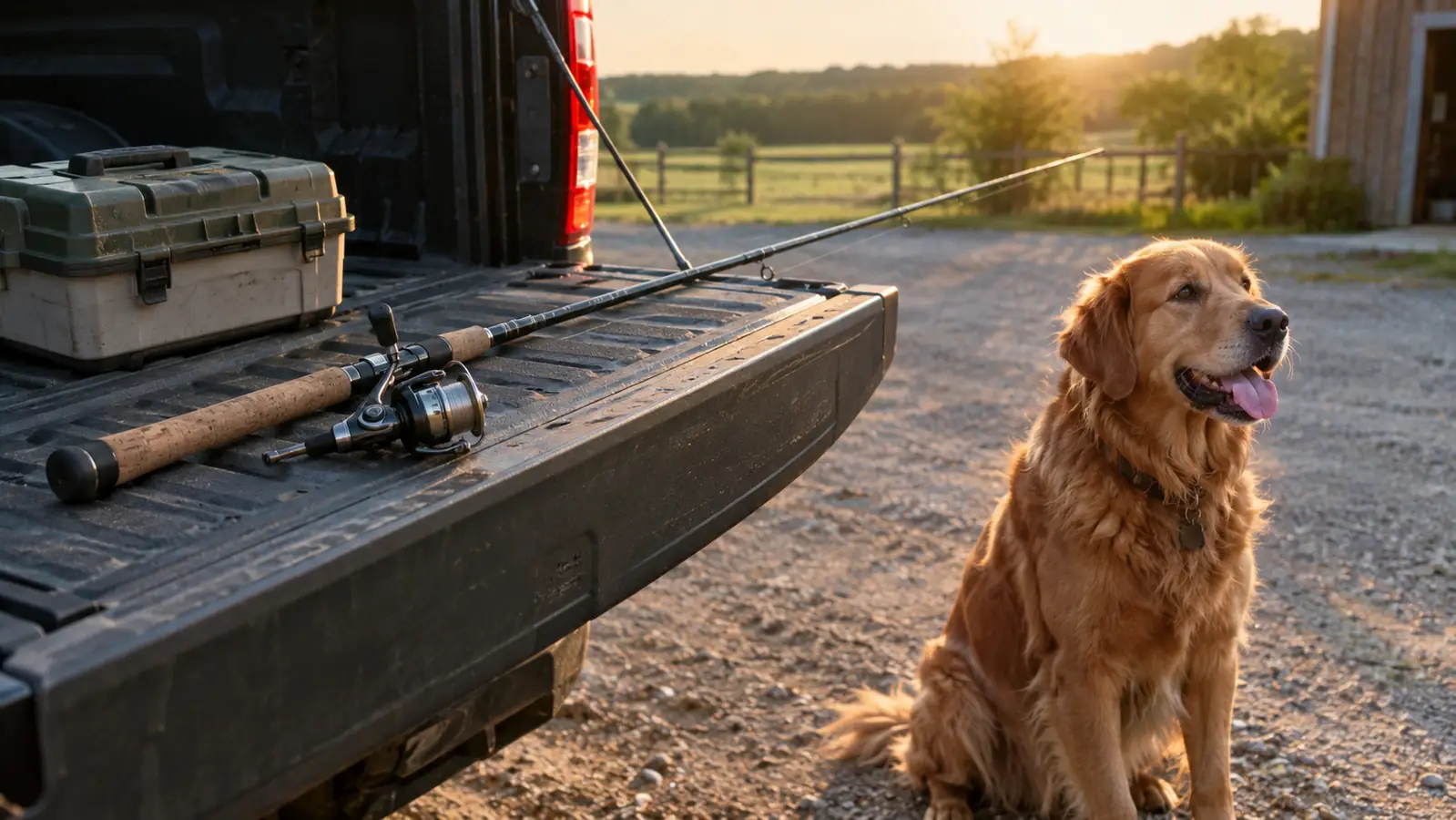
I picked up the Centron in early May, a week before Minnesota's walleye opener. For the next six months it rode in the back of my old 4x4 pickup, under the topper, usually with a muddy dog, a tackle box, and a pair of waders on top of it. It went on walleye trips on Mille Lacs, bass evenings on the smaller lakes, and one long weekend in late June where it sat in the boat in the rain for two days straight.
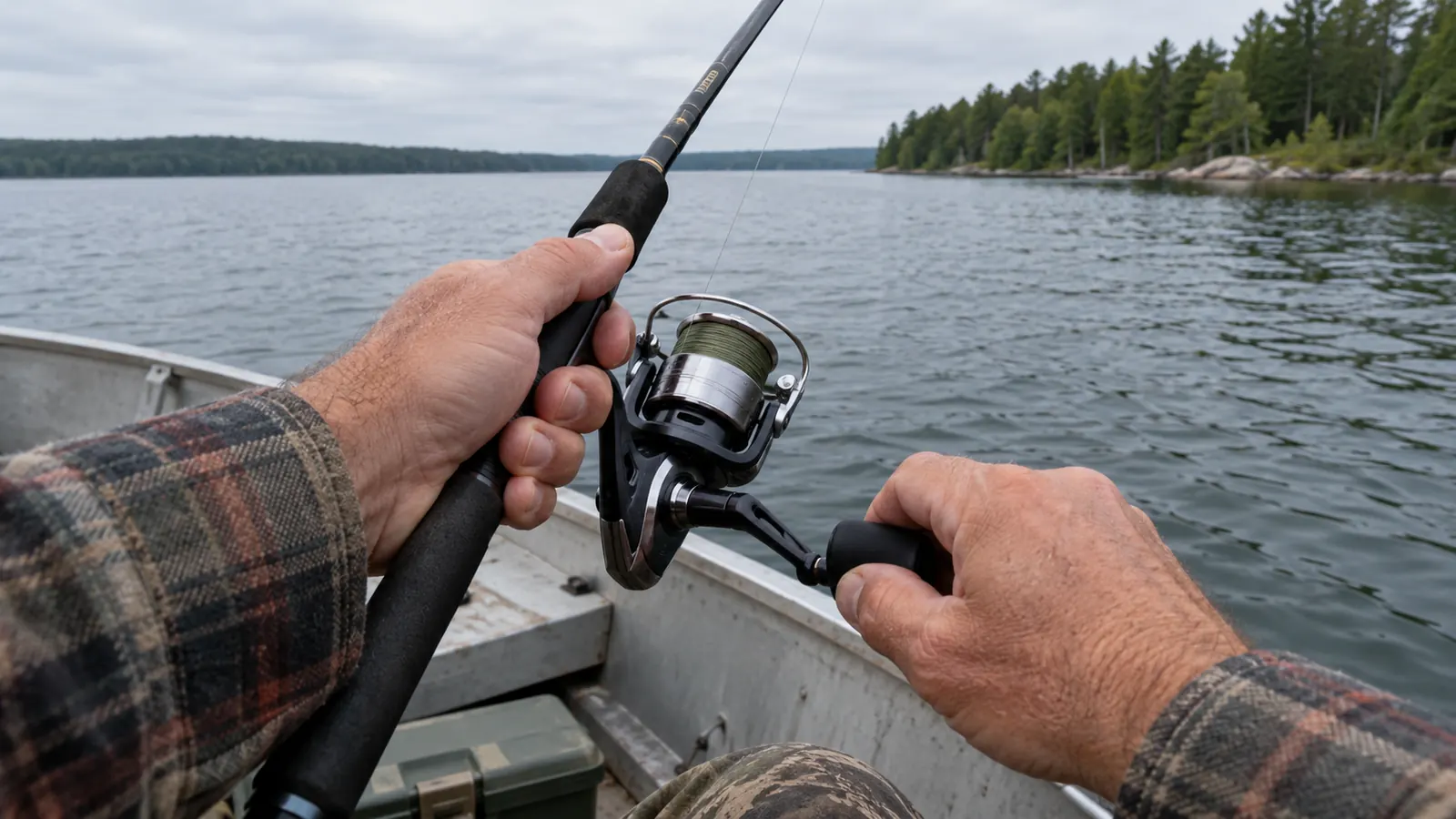
I used the spinning version for most of the season, throwing 1/8-ounce jigs and slip bobbers for walleye, then switching to crankbaits and spinnerbaits for bass. I spooled it with 10-pound braid and a fluorocarbon leader, which is my standard setup for the lakes around here. I also spent a few evenings with the baitcaster side of the combo, because I wanted to see if the reel could handle backlash-prone lures without making me want to cut the line. The short answer is that it did, mostly. The longer answer is what follows. That gave me a fair read on how the reel performs in normal conditions, not in a freshly cleaned showcase setup.
Tucker rode along on nearly every trip, which means the rod got knocked off the seat, stepped on once, and covered in lake water more times than I can count. It survived all of it. That alone puts it ahead of most rods I have owned at this price.
The first real test came on opener. I left the Centron in the truck bed while I helped a friend launch his boat, and when I came back the rod had slid under the spare tire and a cooler. I expected a bent tip. It was fine. That was the moment I stopped treating it like a throwaway and started treating it like a real rod.
What the KastKing Centron Gets Right
The first thing you notice about the Centron is the weight. It is light. Not feather-light like a high-end rod, but light enough that you can fish it all day without your forearm complaining by noon. The blank is sensitive too. I could feel a walleye tick a 1/8-ounce jig on a gravel bottom, which is something I did not expect from a combo at this price. KastKing built the rod with a graphite composite blank, and it shows in the way the rod loads up on the cast and telegraphs what is happening down at the business end. On a calm evening in June, I could feel a walleye pick up a leech before it ran, and that kind of sensitivity is what keeps me coming back to this combo.
The reel is where KastKing usually wins or loses me, and the Centron reel is a genuine surprise. The drag is smooth, which matters more than almost anything else on a reel. On the last bass trip of July, a northern pike grabbed a spinnerbait and ran line out hard. The drag never stuttered, and I landed the fish at the boat. It measured 34 inches, which is a good fish for this lake. The gear ratio is fast enough for working crankbaits, and the handle feels solid in the hand. For a combo that sells at this price, the reel punches well above its weight. The drag never so much as hiccuped.
I also appreciate the two-piece design. The Centron breaks down in the middle, which means it fits in the back of the truck, in the boat rod locker, or in a duffel bag for a weekend trip. I have owned plenty of one-piece rods that were a pain to haul around. The two-piece layout is a practical choice for anyone who does not have a dedicated rod vault. It also means the rod travels better on a plane, which matters if you ever fly to a fishing destination.
One thing I did not expect was how far the Centron throws a 3/8-ounce crankbait. I fished it side by side with a rod that is a clear step up in quality one evening, and I could not tell a meaningful difference in distance. That is not a claim that the Centron is as good as a high-end rod. It is a claim that the distance gap is smaller than the price gap.
Where It Falls Short
No review is honest without the downsides, and the Centron has a few. The stock line guides are functional but not great. After a season of use, one of the guides on my spinning rod developed a rough spot. I noticed it when I was reeling in a jig and heard a faint squeak. I smoothed it out with a bit of fine sandpaper, and it has been fine since, but it is the kind of thing you do not see on a higher-end rod.
The reel handle is also a little on the small side. If you have big hands or you are used to a larger knob, it takes some getting used to. I swapped mine out for a larger aftermarket knob halfway through the season, and that made a real difference on long days of cranking. The swap took about ten minutes. It is not a deal breaker, but it is worth knowing before you buy.
And the baitcaster side of the combo, while usable, is not the reason to buy this setup. It casts fine once you dial in the brakes, but it is not as forgiving as a dedicated baitcaster at a higher price. If you are new to baitcasting, plan on a few tangles while you learn. If you are experienced, you will be fine, but you will know you are not holding a high-end reel. I spent one evening on a small lake with the baitcaster, throwing a 1/2-ounce spinnerbait, and I had to pick out two birds' nests before I got the brake set where I wanted it. By the end of the evening I had the brakes dialed in and was casting without trouble, but the learning curve is real.
One more small complaint: the reel seat on my spinning rod worked loose once in early September. I tightened it with a screwdriver, and it has stayed put since. It is not a major issue, but it is the kind of maintenance you do not expect on a new rod, and it is worth checking yours before a long day on the water.
Performance Over a Full Season
I kept a rough log of my trips this year, and the Centron went out on 23 of them. It caught walleye, bass, and one very annoyed northern. It got rained on, baked in the sun, and dunked in the lake when a net handle slipped. I rinsed it with fresh water after the dunking, and the reel kept working without any sign of corrosion or grit. The only maintenance I did all season was a rinse after the dunking and a drop of oil on the handle pivot in August.
The drag held up all season. I tested it a few times by tying off to a dock post and pulling hard, and it never slipped or stuck. The bail on the spinning reel stayed smooth, and the line lay down evenly on the spool. Those are the little things that separate a reel that lasts from a reel that ends up in a drawer by August.
The rod blank also kept its backbone. I have had budget rods go soft and floppy after a season of use, but the Centron still loads up the same way it did in May. That tells me the graphite composite is decent quality, not just a marketing label. I fished it into late September, after the water had cooled and the walleye had moved deep, and the rod still had the same feel. If anything, it got a little easier to cast as the guides wore in. I fished it on a windy day in October, throwing a jig into a chop, and the rod handled the wind better than I expected.
One evening in August, I left the combo on the front seat of the truck while I ran into the bait shop. When I came out, Tucker had knocked it onto the floorboard and was standing on it. I expected a cracked guide or a bent tip. Nothing. I have owned rods that would have snapped under a 75-pound dog. That one incident alone justified the purchase for me.
What I Liked
- Light and sensitive for the price
- Smooth drag that held up all season
- Two-piece design is easy to haul
- Survived a season of real abuse
- Great value for a spare or travel rod
Where It Falls Short
- Stock line guides are only okay
- Reel handle is on the small side
- Baitcaster side is not the main draw
- Not a specialty rod for tournament work
The Centron survived a season of gravel roads, lake water, and a 75-pound yellow Lab stepping on it in the truck. That is the test that matters.
Who This Is For
The KastKing Centron is for the angler who wants one combo that can do a little bit of everything without breaking the bank. It is perfect as a spare rod that lives in the truck, a first setup for a kid or a new angler, or a travel rod for trips where you do not want to risk your expensive gear. If you fish a few weekends a month and you want something that works, this is it. I handed it to my nephew on a trip in July, and he caught his first bass on it. He asked if he could keep it. That tells you more than any spec sheet. It is also a good choice for the older angler who wants a light rod that does not wear out the arm by the end of the day. It is the kind of rod you grab when you are heading out the door and do not want to think about which setup to bring.
Who Should Skip It
If you are a tournament angler who needs a rod with a specific action for every technique, the Centron is not for you. It is a general-purpose combo, not a specialty tool. And if you are a die-hard baitcaster who wants a reel that feels like a precision instrument, the baitcaster side of this combo will leave you wanting more. Buy it for the spinning side, or buy a dedicated baitcaster if that is your main style. Also, if you are the kind of person who rinses and re-oils every reel after every trip, you might find the Centron's finish less refined than what you are used to. It is built to work, not to win a beauty contest. If you only fish a couple of times a year and want the absolute cheapest thing on the shelf, this might be more than you need. That is not a knock on the Centron. It just means it is built for regular use, not for gathering dust.
The verdict after a season of real use
The KastKing Centron is the combo I reach for when I just want to fish without worrying about my gear. If that sounds like you, check today's price on Amazon and see if it earns a spot in your truck.
Amazon Check Today's Price on Amazon →