
You can spend real money on a trail camera that beams a photo of a buck to your phone at 2 a.m. Or you can spend a fraction of that, walk a memory card out of the woods every couple of weeks, and end up with the same picture of the same deer on the same scrape. I've run both setups on the same property for the last two seasons. The WOSPORTS Mini Trail Camera is the one I reach for when I want results without a monthly bill. Here's the honest breakdown of how it stacks up against a cellular trail camera, and who should buy which.
Short answer: if you can reach your camera with a half hour of walking, the WOSPORTS Mini is the smarter buy. It takes sharp 30MP stills, records 1080P video, runs for months on a set of AAs, and it never asks for a monthly fee. A cellular camera only earns its keep when you need eyes on a place you can't easily get to, or when you want to know the minute a deer shows up without driving out there. For most of my setups, that's not worth a subscription.
Here's the real fork in the road. A cellular camera is a service with a camera attached. You're buying the ability to check in from anywhere, and that ability has a recurring cost. The WOSPORTS Mini is a tool, pure and simple. You buy it, you run it, and the only recurring cost is batteries and a memory card. For a guy who checks his property every week anyway, I'd be paying for a service I don't actually use.
How I Compared Them
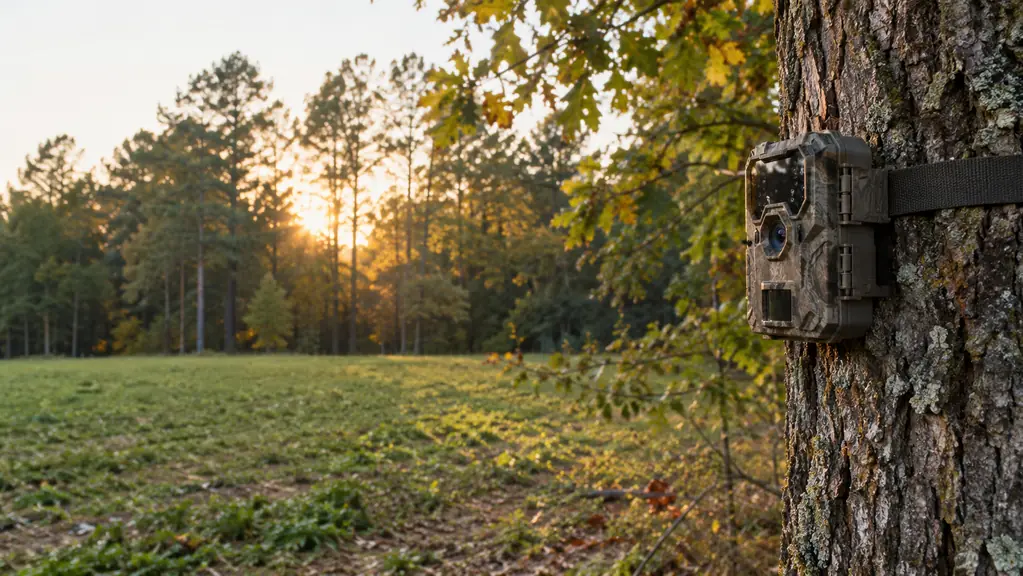
I mounted the WOSPORTS Mini on a white oak at the edge of our half-acre food plot on September 6th, aimed down a scrape line about 25 yards from the tree. I set it to three-photo bursts with a 30-second interval between triggers, which has been my standard setup for years. For comparison, two buddies of mine run cellular cameras on the same property, one from each of the big brands, and they let me follow along with their apps all season. So I got to watch the same deer traffic come through two completely different systems: one that sent every trigger to a phone, and one that waited on the card. Same deer, same scrapes, same weather. That's the only fair way to compare them.
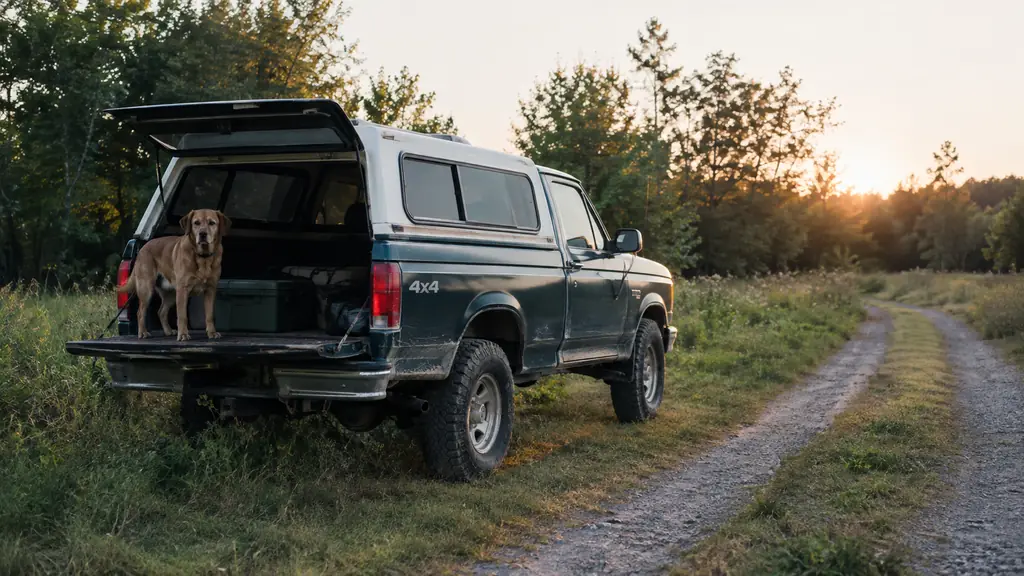
I checked the WOSPORTS card every 10 days or so, usually on the way to the lake with Tucker in the truck. I kept notes on battery voltage, photo count, and how many triggers were blanks from wind and weeds. Over two seasons I logged 61 blank triggers out of more than 6,000 total photos, most of them on windy October days when the field grasses were moving. I also paid attention to the things that don't show up in specs: how easy the strap was to work in cold weather, how the camera handled a week of rain that October, and whether the menu made any sense with gloves on.
The Whole Comparison in One Table
Here's the whole comparison in one table. I marked which side wins each row, and I didn't rig it. In a couple of rows, neither side wins, because they're different tools for different jobs. That's the part most comparison pieces skip.
| WOSPORTS Mini | Cellular Trail Cam | |
|---|---|---|
| Upfront cost | Priced like a tool, not a gadget | A bigger investment for the modem and antenna |
| Monthly plan | None. Buy it once, run it free | A data fee every month, month after month |
| Battery life | Months on one set of AAs | Sending photos drains batteries fast |
| Getting photos | You pull the card when you're ready | Photos land on your phone in seconds |
| Live view | None. You see what the card captured | Check the property from anywhere |
| Where it works | Anywhere you can hang it, no signal needed | Only where the cell network reaches |
| Theft | A thief takes the camera and the photos | The thief's face is already on your phone |
| Image quality | 30MP stills, 1080P video, full files on the card | Many models compress before they send |
| Best for | Food plots, scrapes, one-and-done setups | Distant properties you can't visit often |
Where the WOSPORTS Mini Wins
The first and biggest win is the cost of ownership. The Mini is priced like a tool, not a piece of electronics, and there's no plan on top of it. No SIM card, no app subscription, no 'you've used your photo allowance for the month' surprise. Buy it, put batteries in it, and it runs. That matters on a property where you might run five or six cameras. Five cellular cameras means five monthly bills, forever. Five of these means one bill, paid once. I ran the numbers on a napkin one night: the cheapest cellular plan I found would pay for a second WOSPORTS Mini in about four months. That math alone settled the argument for me.
Battery life is the second win, and it's a bigger deal than people who haven't run cameras realize. Sending a photo over the cellular network takes power. Every transmission eats into the batteries. The WOSPORTS Mini only spends power when it actually captures something, and even then the flash is the biggest draw. I ran mine on a set of lithium AAs from September 6th into the second week of December, and it captured just over 4,100 photos in that stretch without ever dropping below the first battery bar. A cellular camera on the same food plot needed fresh batteries by mid-November, and it was sending maybe a third as many photos.
Then there's image quality. The Mini shoots 30MP stills and 1080P video, and the daytime photos are genuinely crisp. A lot of cellular cameras compress images before they send them, because nobody wants to download a giant file over a data plan. So the photo on your phone is often not the photo the camera actually took. With the Mini, the card holds the full file. If you're trying to count antler tines on a low-light photo, that difference shows up fast.
Where a Cellular Camera Wins
I'll be straight with you: if the whole point is to know what's happening without going to the property, a cellular camera is the only tool that does that. The WOSPORTS Mini can't send you anything. It can't tell you a buck hit the scrape at 4:15 a.m. It can't tell you a trespasser walked through the field last Tuesday. You have to go get the card. If you live two hours from your hunting ground, that's a real limitation, not a small one. And that's before you factor in weather. A cellular camera sends its photos even when the road in is drifted shut, which matters in a snowy November. That happened to me two years ago: we got 14 inches in one weekend, and while I was snowed out, my buddy's app showed him a 10-pointer working the same food plot the whole time.
The other place cellular earns its money is theft. I had a camera stolen off a power line right-of-way back in 2021, and it's a lousy feeling, mainly because the thief also took the only photo that would have identified him. He checked the card before he cut the strap. With a cellular camera, that photo is already on your phone before the strap comes off, and the camera can keep sending a location signal even after it's gone. Some models even give you a live view, so you can watch a food plot from your couch and decide when to make a move. The Mini does none of that, and it's not trying to.
There's also plain convenience. A cellular camera turns checking your property into checking your phone. On a cold November morning, that's a real thing, and I'm not going to pretend otherwise. The question isn't whether cellular is better at that job. It is. The question is how often that job is worth paying for.
Mine ran from September into December on one set of batteries and never dropped below the first bar.
If you can walk to your camera, you don't need a data plan.
The WOSPORTS Mini Trail Camera gives you sharp 30MP stills, 1080P video, and months of battery life, with no subscription attached. For most food plots, most properties, and most of us, that's the whole ballgame.
Amazon Check Today's Price on Amazon →What the Specs Sheet Doesn't Tell You
The WOSPORTS Mini has honest rough edges, and I'd be doing you a disservice if I didn't list them. The trigger speed is fine for deer, but you won't catch a fast-moving bird or a running dog in the frame every time. I missed a coyote cutting across the field one November night, caught nothing but its tail and one ear at the edge of the frame. The IR flash range is good to maybe 60 feet on a dark night, which covers most trails but not a wide food plot. And the menu, while simple once you learn it, takes a minute to sort out with cold fingers at 6 in the morning. None of that changes my verdict, but it's real.
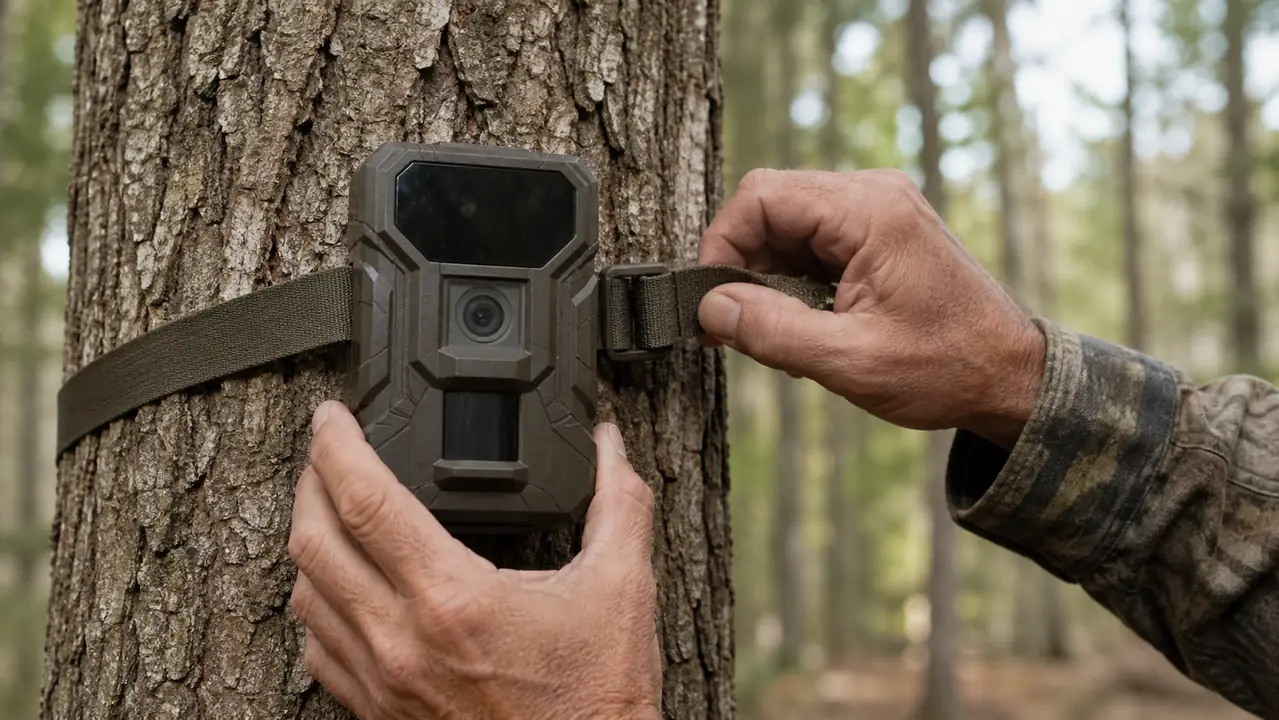
The other thing worth knowing is that the included strap is functional rather than fancy, and the locking mechanism is basic. If theft worries you, spend a little on a steel cable and a padlock. I run a cable on every camera I own, cellular or not, because a camera that's easy to take is a camera that gets taken. That's true of the Mini and just as true of cameras that cost three times as much.
Who Should Buy Which
Buy the WOSPORTS Mini if you can reach your camera on foot, if you already own a memory card reader, and if you have more than one camera to run. It's the camera I'd recommend to anyone starting out, and it's the one I'd put on a food plot or a well-used trail without a second thought. It's also the right choice if the idea of a monthly bill rubs you the wrong way. Mine has paid for itself many times over in what it doesn't cost. And it's the camera I'd hand a kid who's saving up for their first one.
Buy a cellular camera if the property is far from your driveway, if you need to know about activity the same day it happens, or if trespassing is a real concern. I wouldn't talk you out of one in those situations. But buy one because you've done the math on your own situation, not because it's the popular choice. If you want the full breakdown of the Mini on its own, my longer review covers the settings, the menu, and the first year of use. And if you're still wondering whether a trail camera earns its place at all, I put together ten reasons it pays off on most any property.
One more thing on the cellular side, because I want to be fair. The best cellular cameras are getting better every year, and some of them shoot impressive stills. But the ones that send full-quality images need even more data, which means a bigger plan. When I add up what a season of cellular service costs, I can buy a second WOSPORTS Mini, and that's what I'd rather have. Two cameras on two scrapes beat one camera on one phone. That's not a knock on the technology. It's a knock on paying for it when you don't need it.
So here's my advice, and it's the same advice I'd give you across the counter at the bait shop. Start with the WOSPORTS Mini. Run it for a season. Learn what your property actually does before you pay a monthly fee to watch it. If, after that season, you find yourself driving an hour just to check a card and wishing the photo would come to you, then buy a cellular camera for that one spot. You'll know exactly what you're paying for, because you'll have done the job by hand first. If you want the longer story of how I came around on trail cameras in the first place, I wrote that out too.
Bottom line: I like having both kinds of camera in my life, and I've said as much all the way through. But when the money is mine, I buy the WOSPORTS Mini. It does the one job a trail camera actually has to do, it does it well, and it never sends a bill for the privilege. That's a trade I'll make every season.
The camera I buy with my own money.
No plan. No app. No surprises. Just sharp photos on a card you pull when you're ready. That's the WOSPORTS Mini in one line.
Amazon Check Today's Price on Amazon →